Technical Assistance Agreement Signed with Ankara Provincial Directorate of Family and Social Services
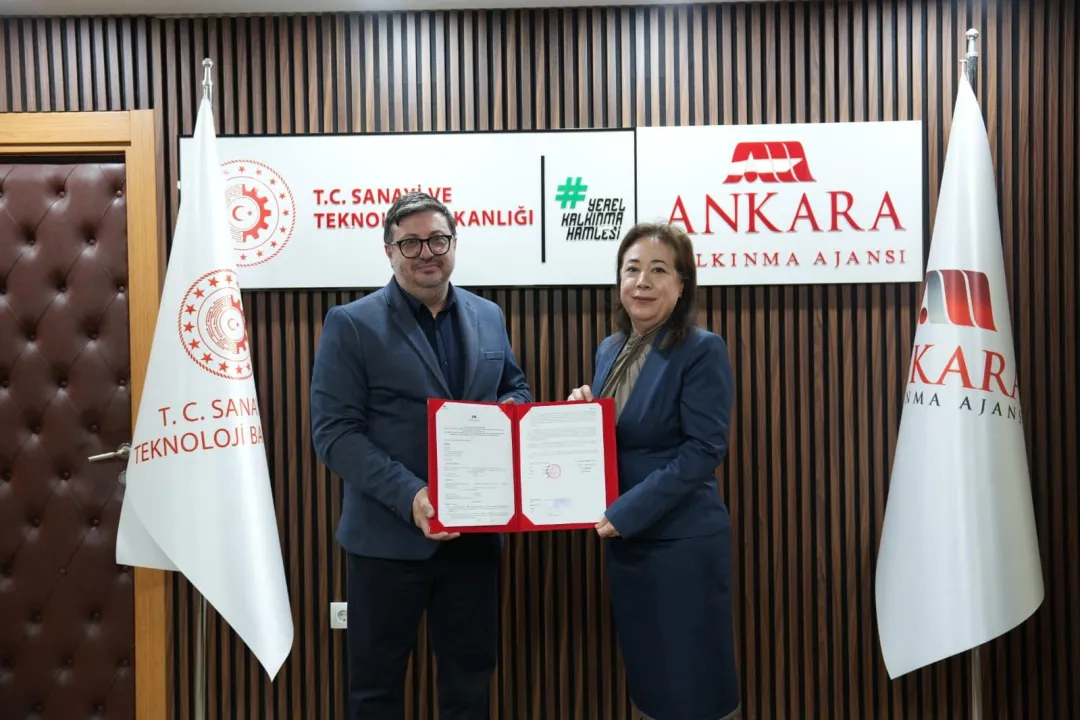
Technical assistance agreement has been signed with the Ankara Provincial Directorate of Family and Social Services, which was selected for support under the Ankara Development Agency’s 2026 4th Term Social Innovation and Social Development Technical Assistance Program.
As part of the project, activities will be carried out to enhance the professional knowledge and practical skills of 40 professionals providing family counselling services within the Ankara Provincial Directorate of Family and Social Services.
In the first phase of the project, a needs assessment workshop will be organized to identify the field experience and professional development needs of family counsellors. The workshop will address issues such as divorce, family communication problems, addiction, parent-child conflict, domestic violence and crisis situations, as well as case intake, needs and risk assessment, intervention planning, ethical decision-making, referral and case closure processes. Based on the outcomes of the workshop, the content of a practice-oriented professional development program will be developed, and visual and practical materials to be used in the training sessions will be prepared.
In the second phase of the project, group supervision sessions will be conducted to support the transfer of the knowledge and approaches acquired through the training into practice. During the supervision sessions, challenges encountered in practice, different assessment and intervention options, ethical dilemmas and referral processes will be discussed without sharing clients’ personal information and by anonymizing cases.
The project aims not only to strengthen the professional capacity of family counsellors but also to ensure that family counselling services are delivered through a more systematic, practice-oriented and sustainable approach. The practices to be developed under the project are expected to contribute to improving the quality of services provided to individuals and families benefiting from family counselling services and to enable more effective responses to the needs of groups requiring special policy attention, including children, women, persons with disabilities and older persons.